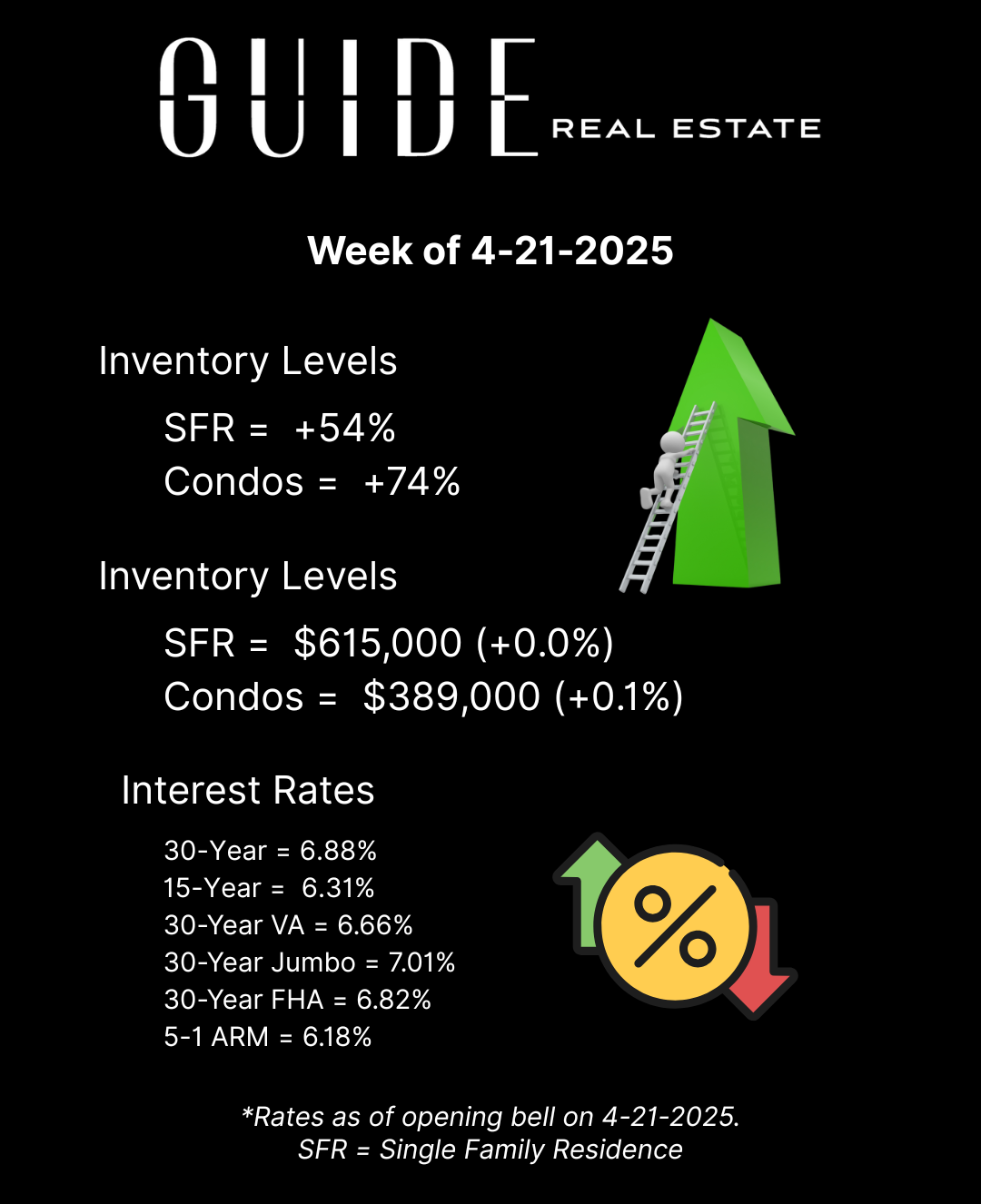
Here in the Denver metro, the market kicked off 2026 with serious “quiet but loaded” energy. Closed sales in January were among the lowest since 2008, with under 2,000 homes sold, which makes the market feel slower and more selective on the surface. But peek behind the curtain and you’ll see new listings jumped over 150% from December, and active inventory climbed to more than 8,200 homes—giving buyers more choices and more room to negotiate than they’ve had in years.

Luxury is having its own mood swing, with attached luxury homes seeing price pressure and longer days on market, while detached luxury is still moving—especially the right homes, in the right locations, priced with today’s data, not yesterday’s ego. For buyers, this is a chance to shop without the panic; for sellers, it’s a reminder that Denver isn’t on autopilot anymore—presentation, pricing, and a tailored strategy are the difference between “just listed” and “just sitting.”

Let’s talk about the not-so-silent partner in every real estate move: the Federal Reserve. The Fed just held its key interest rate steady in the 3.5%–3.75% range after a run of cuts, essentially putting rate reductions on pause while it watches inflation and jobs play tug-of-war. Big-picture economists expect fewer cuts going forward as core inflation stays a bit too stubborn for the Fed’s taste, which means mortgage rates may hover slightly above 6% instead of dropping into “too good to be true” territory.

What does that mean for you, in real-life, non-econ-nerd terms?

 Buyers are starting to step back into the market as they adjust to the new normal of “higher than 3%, lower than panic-inducing,” but affordability is still tight, so budgets matter more than vibes. For homeowners thinking of selling, this isn’t a time to panic; it’s a time to get smart—leverage strategic pricing, strong marketing, and savvy negotiation, because today’s buyers are informed, rate-conscious, and not afraid to walk away.

If you’ve been doom-scrolling headlines, you’ve probably seen everything from “housing crash” to “soft landing” in the same week—classic real estate chaos energy. National home values are basically flat year over year (up about 0.1%), which means prices aren’t falling off a cliff, but they’re also not sprinting higher like the 2021 days of 20-offer bidding wars. Demand is rebuilding slowly, and some analysts expect 2026 sales to improve as slightly lower mortgage rates coax more buyers back into the game.

Here’s the twist: affordability is still the main villain of this story, with housing costs and rates keeping some would-be buyers on the sidelines. Sellers are finally showing up—new listings are rising—but homes are selling at their slowest pace in years as buyers stay picky, cautious, and very “I’ll wait for the right one.” Translation: this is a strategic market, not a frenzy; if you’re a buyer, you get more leverage, and if you’re a seller, pricing and presentation are everything.

The Mile High market is buzzing with possibility this fall.

This October, the Denver real estate scene is serving up fresh opportunities for buyers who thought they’d missed the boat after the summer rush. After a year of “hurry up and wait,” fall 2025 is surprisingly active—think more listings, more negotiation power, and yes, even price cuts on homes that have been sitting a little too long. Mortgage rates are also worth watching, with experts hinting we may have already hit the peak for this cycle. So if the idea of scoring a deal on a dream home—or locking in a rate before the next economic plot twist—sounds appealing, this autumn could be a sweet spot for those ready to make a move. 


But here’s the real kicker: 2025 buyers are reimagining what “home” means. It’s less about keeping up with the Joneses and more about personalizing your space. From multi-generational layouts to work-from-home havens and eco-friendly features, today’s listings are loaded with options to match every lifestyle. Plus, with video tours, virtual staging, and social media sneak peeks, you can window-shop from your couch before ever setting foot in a new place. 


The Mile High market is buzzing with possibility this fall—don’t let the season pass by without exploring what’s out there.

Denver Real Estate Update July '25

Denver’s real estate vibe in summer 2025 is all about major market shifts—think more listings, subtle price changes, and new opportunities for both buyers and sellers. July kicked off with a noticeable jump in inventory; there are nearly 4,000 active residential listings in Denver, which is the highest July number the city’s seen in years. For comparison, there were just 1,380 homes on the market in July 2021. This inventory surge is giving buyers plenty of options and more negotiating power, while sellers are feeling the pressure to get creative and competitive. 


Pricing trends are interesting: while there’s a lot of talk about price cuts and homes lingering longer (46 days on average vs. 31 last July), the market is not “crashing”—in fact, the average sales price hovers around $684,000, down only 4% from a year ago, and the median is holding steady in the $600,000s. Many well-prepped, move-in-ready homes in popular neighborhoods are still drawing competitive offers and, after a smart price drop, sometimes even get bid back up close to their original asking price. 


So, what’s driving these dynamics? Higher mortgage rates (around 6.8–6.9%) are dampening demand, causing buyers to take their time, which means homes spend longer on the market. But they’re also paving the way for a more balanced market—not a seller’s frenzy, not a buyer’s bonanza, but a chill, transitional phase. Year-over-year, buyers are still active, with closed and pending sales up about 5%, and Denver is actually outperforming the national home sales trend, which makes our scene feel a little more resilient—even as pricing flexes a bit. 


Bottom line: If you’re shopping for a place, you’ll find more choices and less FOMO. For sellers, it’s all about smart pricing and putting your home’s best foot forward—today’s buyers are more deliberate and expect homes to stand out. This July, the Denver market is leveling up—think less hype, more strategy, and just enough unpredictability to keep local real estate fun (and maybe just a touch wild).

Follow me along the way as see what this year has in store week by week. THE PULSE will keep beating for when the right time comes.

Hot Takes | Inside Scoops | Policy Changes | Political Impacts | Market Madness | Much More!


Current State of Real Estate

As we navigate the complexities of the U.S. housing market in 2025, it's essential to understand both the challenges and opportunities that lie ahead. This overview will delve into the current state of real estate, highlighting positives, negatives, and projections for the next three months.

Positives

  1. Economic Growth and Investment Activity: The U.S. economy is poised for growth in 2025, driven by consumer spending and productivity gains. This economic stability is expected to support a moderate recovery in real estate investment activity, despite high interest rates.
  2. Office and Retail Revival: The office sector is seeing an up-cycle, with shortages of prime space anticipated by the end of 2025. Retail, meanwhile, is experiencing low vacancy rates, with growing demand in suburban locations and Sun Belt cities.
  3. Industrial and Multifamily Growth: Industrial real estate continues to benefit from e-commerce, while multifamily demand remains strong due to high home ownership costs. Vacancy rates in multifamily are expected to decrease as tenant demand persists.


Negatives

  1. High Mortgage Rates: Mortgage rates remain elevated, hovering around 6.75% to 7% for 30-year fixed loans. This high cost of borrowing continues to strain affordability for potential homebuyers.
  2. Limited Housing Inventory: Despite a slight increase, housing inventory remains below historical averages. This shortage, combined with high mortgage rates, keeps the market challenging for buyers.
  3. Affordability Crisis: The gap between home price growth and wage increases exacerbates affordability issues. Many potential buyers are priced out of the market, leading to a significant portion of renters unable to transition to homeownership.


Projections for the Next Three Months

  1. Mortgage Rate Stability: While there are predictions of slight decreases, mortgage rates are generally expected to remain stable or slightly decrease, which may not significantly impact affordability.
  2. Inventory Trends: Inventory levels are likely to continue their slow increase, primarily driven by new construction rather than existing home sales. This could lead to a more balanced market in some regions.
  3. Home Sales and Prices: Existing home sales are projected to see a modest increase, potentially reaching around 4.1 million in 2025. Home value growth is expected to be soft, with a forecasted increase of about 0.6%.
  4. Market Dynamics: The market is likely to remain a seller's market in many areas due to limited inventory, though regions with increased inventory might shift towards a buyer's market.


In conclusion, while the U.S. housing market faces significant challenges, there are opportunities for growth and stabilization. As a Denver realtor, understanding these national trends can help you navigate local market dynamics and provide informed guidance to your clients.


Looking Forward & My Commitment to You

Looking Ahead:While change can feel daunting, it’s important to recognize the positive side. This settlement signals a move towards greater transparency and fairness in our industry—steps that benefit everyone involved. At Guide Real Estate, we're committed to guiding you through these shifts, ensuring that your real estate experience remains seamless, informed, and FUN! To reiterate, my primary goals are straightforward.


As Your Buyer’s Agent:

· Educate you on what your current financial responsibilities and where they could lead with any given contract considered.

· As your local expert, I will help you navigate this evolving and complex market.

· Minimize your out-of-pocket expenses + purchase price through skillful negotiating. 

· Streamline and sync the process to finding your DREAM HOME on your timeline.


As Your Seller’s Agent:

· Maximize exposure through industry leading technology, expansive network and strategic marketing. 

· Protect you and mitigate your risk through strategic advice + informed decision making.

· Generate top dollar offers and maximum equity.

· Bring the energy and positive vibes resulting in your rewarding journey.  


Feel free to reach out if you have any questions or if you'd like to discuss how these changes might impact your specific situation. I’m here to help you navigate these evolving waters with confidence. 

Recap:
What’s Happening?
In brief, a group of attorneys brought a class action lawsuit in Missouri against NAR and won. The lawsuit challenges certain practices within the real estate industry, particularly those surrounding Realtor compensation and the advertising of it. The settlement marks a significant shift in how these practices will need to be handled going forward. Changes took effect locally on August 15, 2024.Cheers to progress, positive change and necessary evolution in the Real Estate Industry!

NAR Settlement & Impact on Sellers

 What’s Happening?

In brief, a group of attorneys brought a class action lawsuit in Missouri against NAR and won. The lawsuit challenges certain practices within the real estate industry, particularly those surrounding Realtor compensation and the advertising of it. The settlement marks a significant shift in how these practices will need to be handled going forward. Changes took effect locally on August 15, 2024. 

HELPFUL FAQ LINK

For Sellers:

Thankfully, the Exclusive Right-To-Sell Listing Contract remains very similar to mandated contract from prior to the NAR Settlement. The main focus once again falls under Section 7.0 Compensation To Brokerage Firm; Compensation to Buyer Brokerage Firm. This is where we will hyper focus on who is responsible for each Agent’s compensation and exactly how much.  

Pros: The cream will rise to the top as they say. There will be more competition among agents, and you will need to identify what you need most from your Agent. 

Cons: There may be increased pressure to negotiate commissions, which could complicate the process, cost more or cost less.  

NAR Settlement & Impact on Buyers/Investors


 What’s Happening?

In brief, a group of attorneys brought a class action lawsuit in Missouri against NAR and won. The lawsuit challenges certain practices within the real estate industry, particularly those surrounding Realtor compensation and the advertising of it. The settlement marks a significant shift in how these practices will need to be handled going forward. Changes took effect locally on August 15, 2024. 

HELPFUL FAQ LINK 

For Buyers: 

Buyers will be expected to sign and acknowledge they are aware of their financial responsibilities via a state approved disclosure/agreement with the ‘Showing Agent’ prior to any showings occurring. Within the Exclusive Right-To-Buy Listing Contract, the most noticeable changes will be under Section 7.3 Who Will Pay Brokerage Firm’s Success Fee. I will review this very carefully, thoroughly and in full detail. The adjusted options are.

· 7.3.1 Seller’s Brokerage Firm or Seller May Pay. Buyer IS Obligated to Pay.

· 7.3.2 Buyer Will Pay. 

Now remember, everything is negotiable from items within this contract to items within the Contract to Buy-And-Sell Real Estate. You can get creative and negotiate the showing of one property, multiple properties over one weekend, a specific territory, dive in with your Agent for a 3- or 6-month commitment and/or far more. Beware of what you read and hear in the media. Please know that the compensation for Buyers Agents has not vanished into thin air. It’s simply a matter of who is going to be responsible for some or all of it + how much the Buyer Agent compensation is. 

….AND NEVER FORGET THE GOLDEN RULE!

YOU GET WHAT YOU PAY FOR. 

So once again, beware for those deals that seem too good to be true! If saving Agent Compensation on one of the largest purchases of your life is high priority to you, just know that you might be carrying much higher risk and actually paying far more for the home than that compensation might have been. I ALWAYS suggest going with an educated advocate who will substantially reduce your risk. 

Pros: 

· More transparency and conversations about how compensation is handled, what the maximum compensation can be, and who is responsible for it. This should allow for better-informed decision making. 

Cons:

· If Buyers have to cover the Buyer Agent compensation; they might have less buying power, making their offer less desirable. If a flat rate or discount Buyer Agent is representing the Buyer, the Buyer could run the risk of less or non-transparent communication, rushed decision making, higher liability during the transaction or after closing.

· Reminder that rolling Buyer Agent compensation into a mortgage is strictly prohibited by federal law. This may change over time, but for now, if the Seller is not covering the Buyer Agent Compensation, or a portion of it, then it will come out of the pocket of the Buyer at Closing.

For Investors:

Pros: The evolving landscape could present new opportunities to strategize deals with greater clarity on costs. Opportunities for private financing could become more popular.  

Cons: As with any change, there may be a period of adjustment as the market finds its footing. Inventory levels could be an issue if Buyers have to target less expensive homes and take on more projects due to less buying power (Buyer Agent Compensation Responsibilities).

Current Market Snapshot 

The Denver housing market is showing signs of increased activity as we move further into 2025. Here are the key facts: 

Inventory Surge: January saw a significant 44% year-over-year increase in active listings, marking the highest start-of-year inventory since 2014. Some of the inventory however is carryover from withdrawn and expired listings in 2024.  

New Listings: 4,339 new properties entered the market in January, a substantial 135.43% increase from December 2024. 

Median Home Price: Prices remained fairly level at $575,000, a decrease of 0.51%.  Days on Market: Homes are spending a median of 45 days on the market, up 12.5% from December 2024.  

Pending Sales: Demand, as measured by pending sales, increased by 31.83% compared to the previous month. 

Updated | Market Trends | Outlook 

Balanced Market Emerging 

We're seeing a shift towards a more balanced market. The surge in inventory gives buyers more options, while sellers are adjusting their strategies to remain competitive. This is creating opportunities for both sides of the transaction. 

Price Stabilization 

While we've seen moderate price growth, the market is showing signs of stabilization. The 3% year-over-year increase in median home prices indicates steady appreciation without the dramatic spikes of previous years. 

Buyer Behavior 

Buyers are becoming more selective, taking advantage of the increased inventory. They have more leverage in negotiations, often securing seller concessions or below-list-price purchases. 

Looking Ahead 

1. Gradual Recovery: Experts predict a moderate increase in home sales and a slight rise in median home prices throughout the year. 

2. Interest Rates: While still higher than historical lows, rates are showing signs of stabilization, which could encourage more buyers to enter the market. 

3. New Construction: The pipeline for new apartment units is slowing, with only 8,500 units expected in 2025, down from 18,400 in 2024. This could lead to a more balanced rental market. 

4. Market Segments: The luxury home market, particularly properties between $1 and $2 million, is showing resilience with increased sales activity. 

Conclusion 

The Denver real estate market in 2025 is characterized by increased inventory, stabilizing prices, and a shift towards a more balanced market. For buyers, this means more options and potentially better deals. For sellers, it emphasizes the importance of realistic pricing and effective marketing strategies. 

As your experienced Denver realtor, I'm here to help you navigate these market conditions. Whether you're looking to buy, sell, or invest, now is an excellent time to explore your options in our dynamic Denver market.

How will tariffs impact the housing market?

What are tariffs?

Tariffs are taxes imposed by governments on goods imported from other countries. When a product crosses a national border, the importing company must pay this tax, which is typically a percentage of the product's value. For example, if there's a 25% tariff on steel, a company importing $100,000 worth of steel would need to pay $25,000 in tariffs.

The main purposes of tariffs are to protect domestic industries and generate revenue for the government. By making imported goods more expensive, tariffs can encourage consumers to buy locally produced alternatives. This can help protect jobs and industries within the country. However, tariffs often lead to higher prices for consumers, as companies usually pass on the increased costs. They can also spark trade disputes between nations, potentially leading to broader economic consequences.

Perhaps you thought it was another county paying a tax to export products to us... Not quite what the new administration has been transparent on, right?

Impact on Real Estate

Tariff increases would have significant impacts on the US real estate market, particularly in the areas of construction costs, home prices, and overall market dynamics.

Construction Costs

The implementation of tariffs on key building materials would directly increase construction costs.

Specifically:
Softwood lumber imports from Canada, which account for about 30% of US usage, would face a 25% tariff, potentially raising the rate to over 39%. Gypsum imports from Mexico, used in wallboard production, would also be subject to a 25% tariff. Steel and appliance imports from China would incur additional costs.

These increased material costs could add $3 billion to $4 billion to overall construction expenses[1]. Smaller home builders with tighter profit margins would likely be hit hardest, but larger builders would also feel the impact..

Home Prices

The rise in construction costs would likely be passed on to consumers, leading to higher home prices.

This could:
1. Exacerbate the existing affordability crisis, especially for first-time buyers.

2. Reduce the number of new homes built or increase prices for newly constructed homes. 

3. Potentially drive buyers towards older, existing homes, increasing demand and prices in that market segment as well.

Market Dynamics

The broader effects of tariffs on the real estate market could include:
1. Slower housing construction: Higher material costs and reduced profit margins might make new construction projects less appealing to developers, potentially worsening existing housing shortages.

2. Economic uncertainty: Tariffs could lead to lower economic growth, potentially weakening housing demand if there is significant labor market deterioration.

3. Mortgage rates: If inflation escalates due to tariffs, interest rates could potentially increase, affecting affordability and buyer purchasing power.

4. Investment shifts: In times of economic uncertainty, real estate might become a more attractive investment option compared to stocks, potentially supporting property values.

5. Regional variations: Areas heavily reliant on imported building materials may experience more significant effects on their housing markets.

The combination of these factors could create a challenging environment for the US housing market, potentially leading to reduced affordability, slower construction, and increased market uncertainty. However, the full impact would depend on the specific implementation and duration of the tariffs, as well as any potential retaliatory measures from affected countries.